News & Blog
Latest news from the world of IT. TrueNAS, Proxmox, OPNsense and more.
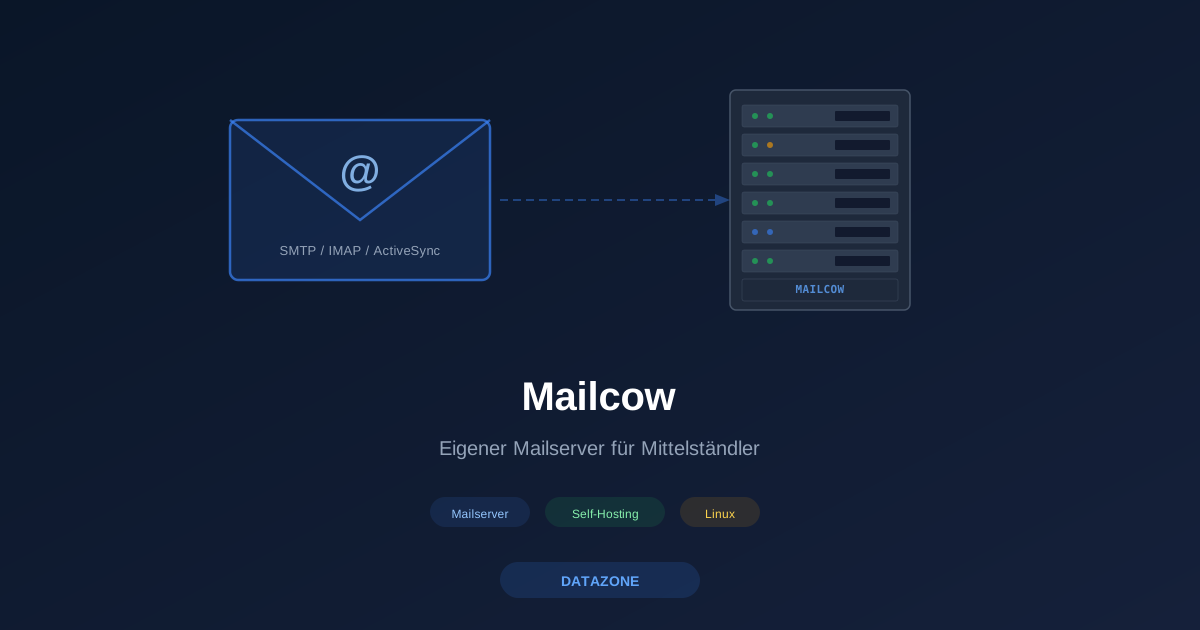
Mailcow: Your Own Mail Server for SMBs
Mailcow:dockerized as a self-hosted mail server for SMBs. Postfix, Dovecot, SOGo, Rspamd, ClamAV and ActiveSync in a single stack — setup on Proxmox, limits and alternatives, when Mailcow makes sense.
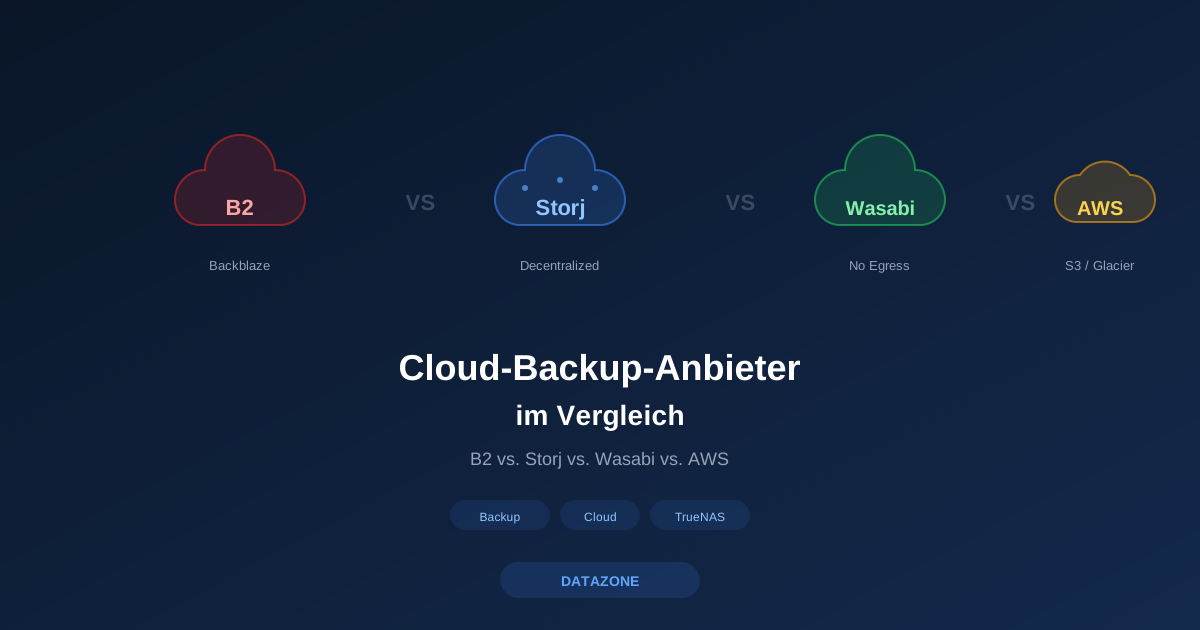
Cloud Backup Providers Compared: B2, Storj, Wasabi, AWS
Backblaze B2, Storj, Wasabi and AWS S3 compared as S3-compatible backup targets. Evaluation criteria for SMBs: price, egress, geo-redundancy, EU location, minimum retention — with a clear link to the 3-2-1 rule.
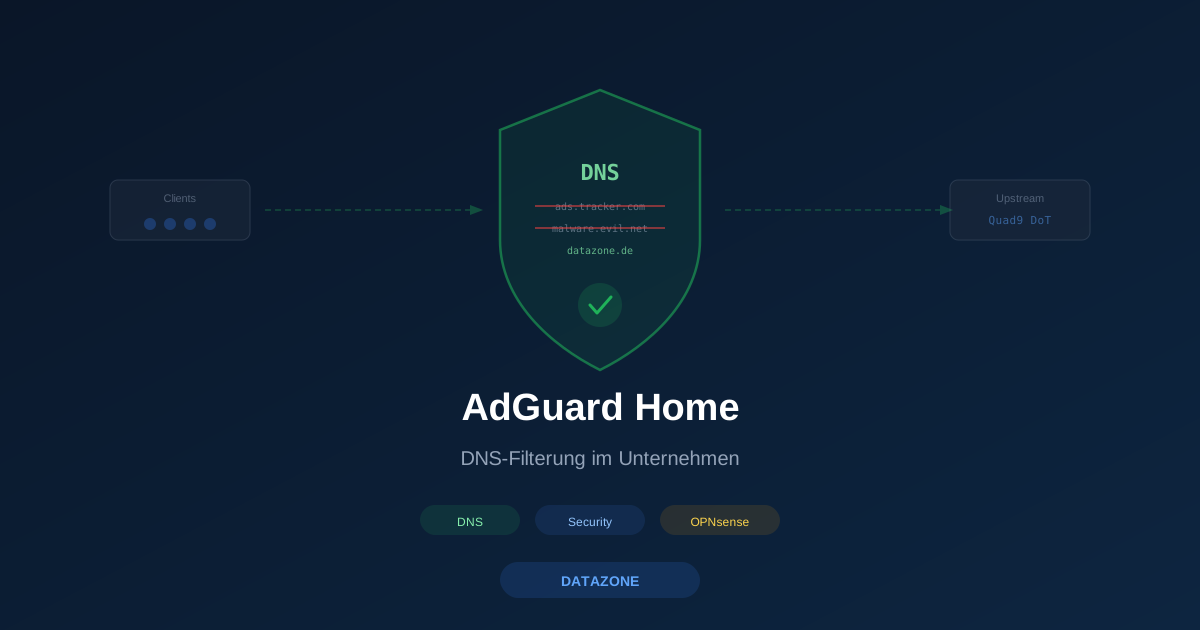
AdGuard Home: DNS Filtering in the Enterprise
AdGuard Home as central DNS resolver with blocklists in OPNsense environments. Blocking ads, trackers and malware domains — comparison with Pi-hole and OPNsense Unbound, with clear recommendations for SMBs.
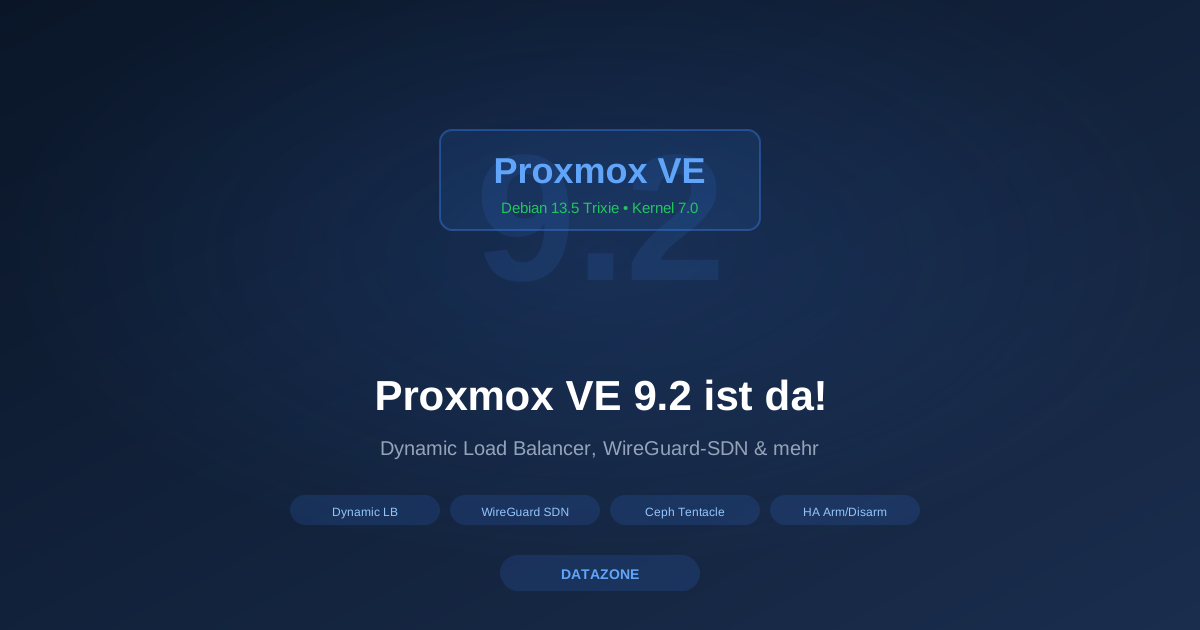
Proxmox VE 9.2 — Dynamic Load Balancer, WireGuard SDN & Kernel 7.0
Proxmox VE 9.2 is here: dynamic load balancing for HA clusters, WireGuard as an SDN fabric, Ceph Tentacle, Linux Kernel 7.0 and custom CPU models in the GUI. All highlights, versions, known issues and upgrade tips.
Proxmox vs. VMware: Migration from a Real Project
Migrating 30 VMs of an SMB customer from VMware vSphere 7 to Proxmox VE 9. Phases, tools, pitfalls and lessons from an actual project — honestly documented without glossy numbers.
Replacing Microsoft Exchange: ROI Analysis for SMBs
Exchange Server 2019 is out of support. Which alternatives are worthwhile for SMBs? Exchange Online, Mailcow, Kerio, MDaemon and Exchange SE 2025 compared qualitatively — with ROI factors for three company sizes.
TrueNAS Spotlight: Full-Text Search and Search Index on the NAS
TrueNAS 26.04 brings a Search Index with full-text search across file names and content. How Apache Tika and Lucene work together, which use cases pay off, and what to watch for on privacy and resource consumption.
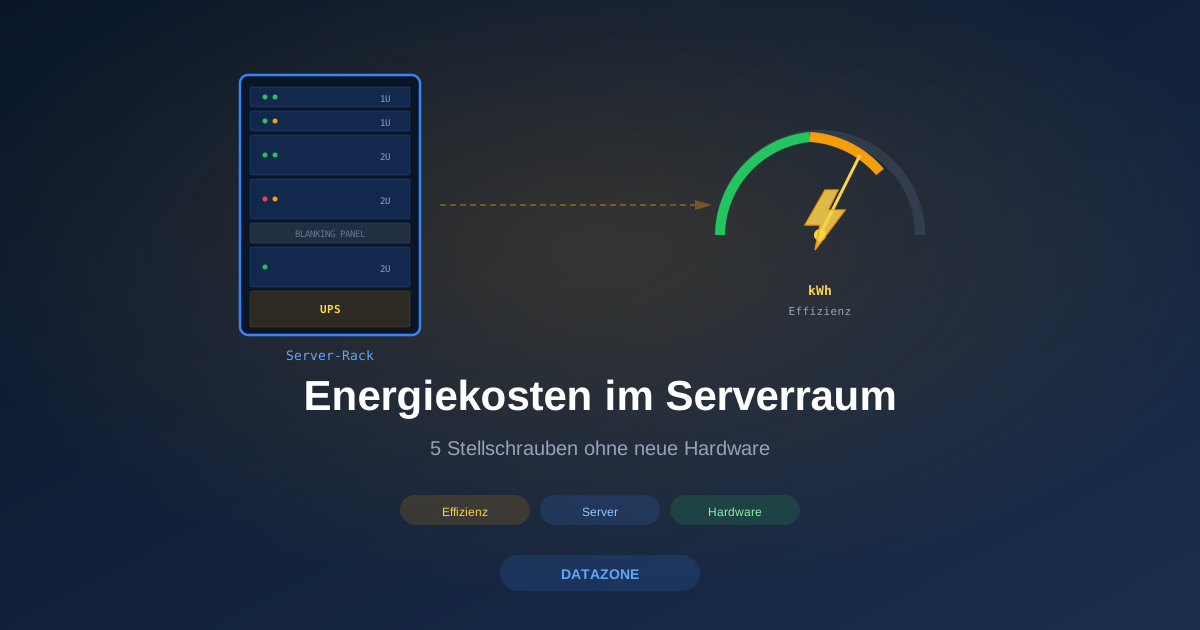
Server Room Energy Costs: 5 Levers
Save energy in the server room without new hardware. Five concrete levers: hot-aisle / cold-aisle separation, server power profiles, idle VM consolidation, UPS efficiency, and right-sized cooling. Plus: when ARM / EPYC hardware pays off.
OPNsense for Medical Practices: What German KBV Requirements Demand
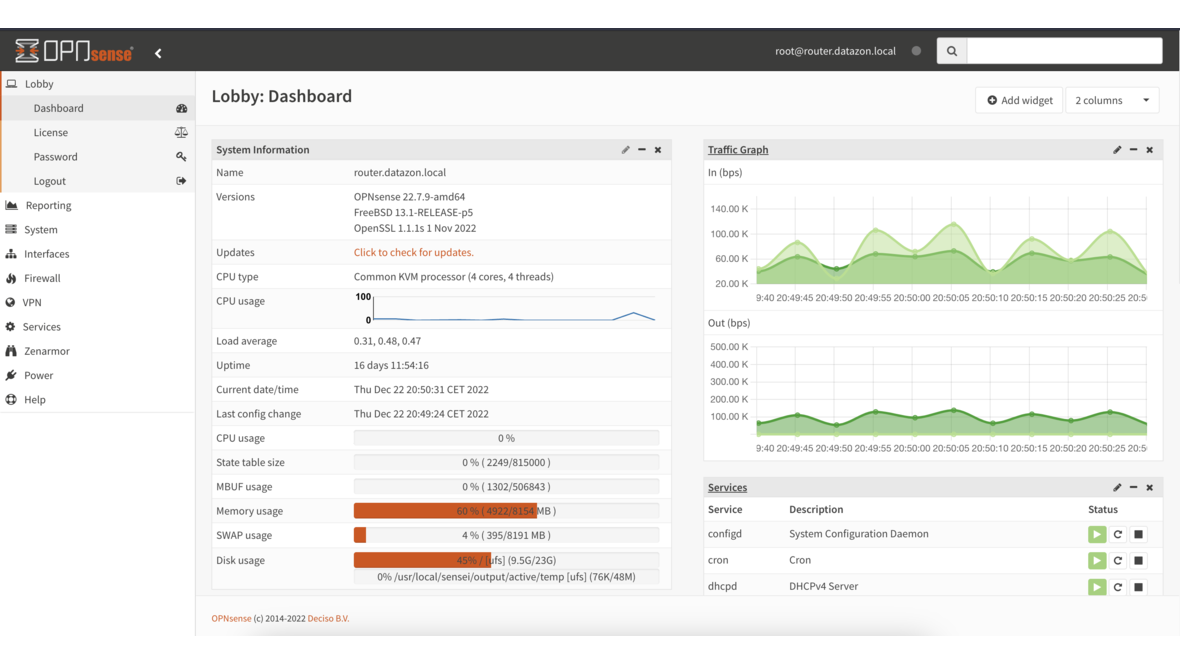
German KBV requirements for medical practice networks demand network separation, firewall logging, and defined TI connections. OPNsense implements this with VLANs, firewall rules, and Suricata. Important: TI connector certificates are separate from OPNsense — OPNsense complements TI security, it does not replace it.
Backup Test Day: Prove Restores in 30 Minutes
A backup that hasn't been tested is hope. We describe the Backup Test Day workshop format — monthly, 30 minutes per restore scenario, with checklists for PBS VM restore, TrueNAS snapshot restore, M365 restore, and tape restore. Includes the documentation obligations under NIS2 and German GoBD.
Caddy: Reverse Proxy With Automatic HTTPS
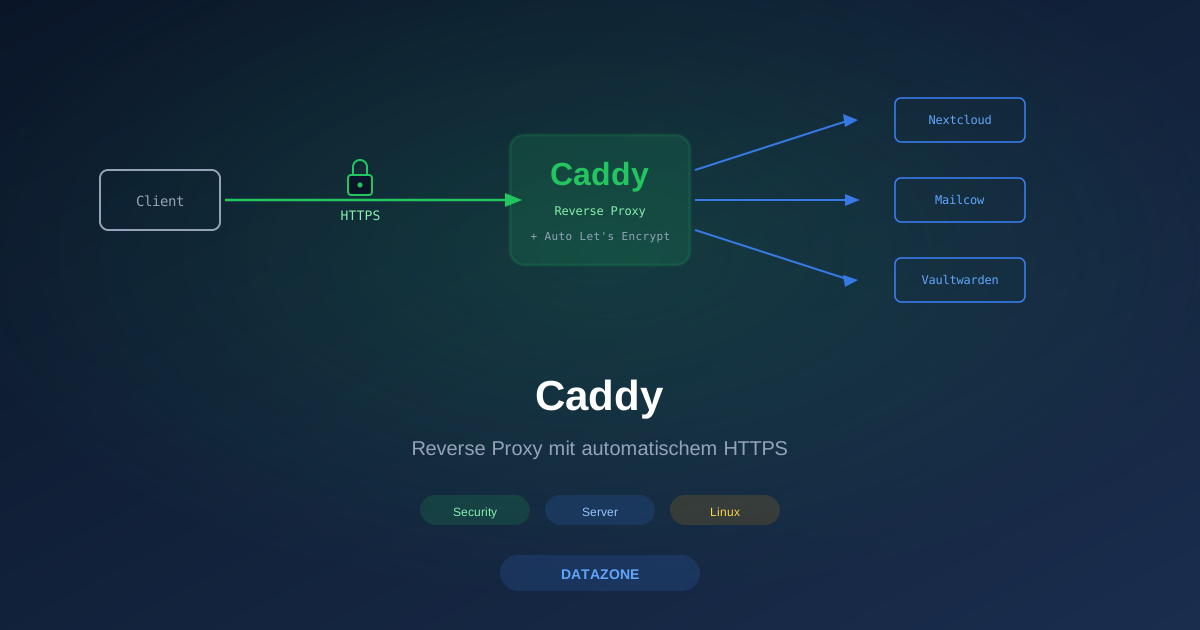
Caddy is a modern reverse proxy with built-in Let's Encrypt automation. Ten lines of Caddyfile instead of fifty lines of Nginx — and no certbot. We show setup, examples for three self-hosted services behind one public IP, and the limits compared with Nginx.
TrueNAS for Tax Advisors: GoBD-Compliant Data Retention
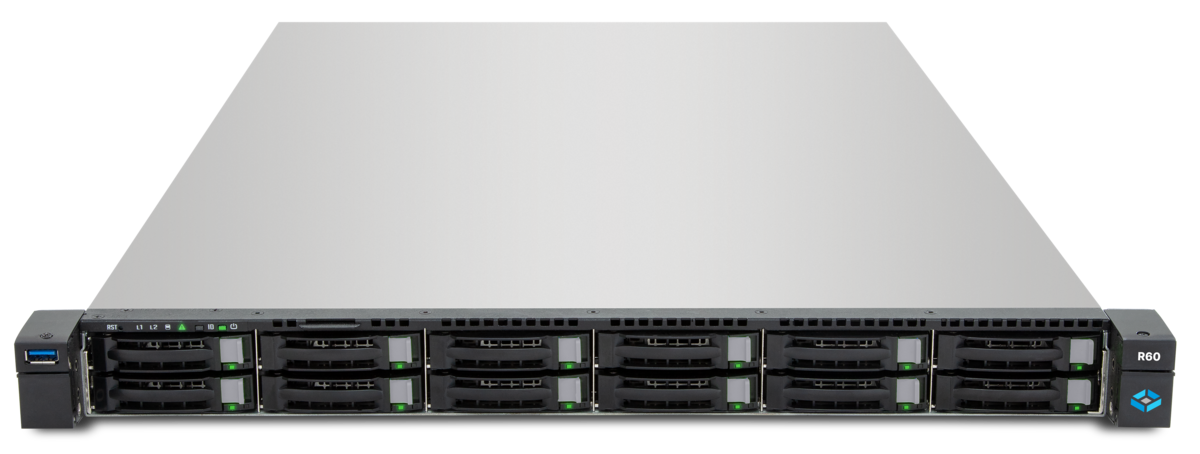
German GoBD rules require immutability, completeness, traceability, and 10-year retention. TrueNAS provides technical building blocks with ZFS snapshots, replication, and integrity checks — but on its own it is not GoBD compliant. We show the architecture that works in tax advisory practices.
Page 11 of 24 · 282 articles